


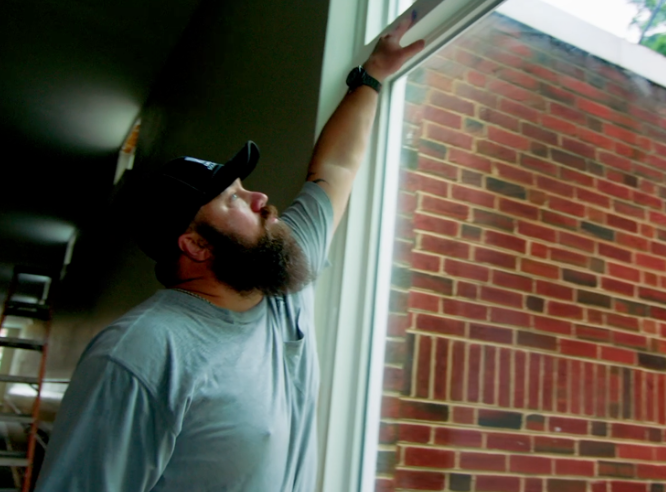
Pictured above: Installing energy-efficient windows at CHP’s S.A. Robinson apartments in Pembroke, VA.
Our Philosophy & How We Approach the Work
As a national clean energy developer and independent power producer, Sol uses its platform to accelerate America’s energy transition while investing in the communities where our projects are located. Through our Infrastructure + Impact ® approach and a community investment fund, we pair clean energy development with support for local organizations strengthening resilience, expanding opportunity, and advancing environmental stewardship.
At the center of this work is a simple belief: local partners know their communities best. By listening early and working with trusted organizations, we can design programs that respond to local needs and create benefits that last beyond any single project.
That commitment to listening continues through implementation. Conversations with community impact partners help surface practical lessons about resident engagement, workforce capacity, and the realities of delivering clean energy solutions in low- and moderate-income communities. Their feedback helps us adapt and strengthen programs over time.
Community-Centered Engagement Drives Better Outcomes
Our work with Community Housing Partners (CHP) shows how meaningful resident engagement can lead to stronger energy-efficiency outcomes. At S.A. Robinson Apartments in rural Pembroke, Virginia, CHP launched an initiative to improve resident comfort and reduce energy costs for households, many of whom live on fixed incomes.
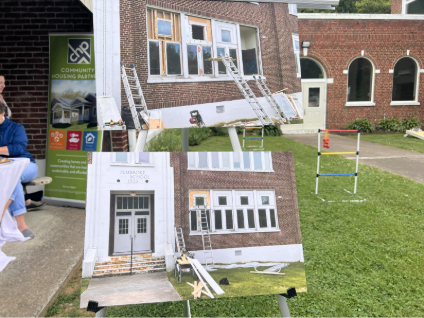
S.A. Robinson Apartments in Pembroke, VA, during renovation.
Before improvements began, CHP listened to residents to understand what mattered most. Residents identified window replacements as a priority for improving comfort and lowering utility bills. With support from the regional community investment fund, CHP installed new energy-efficient windows throughout the property.
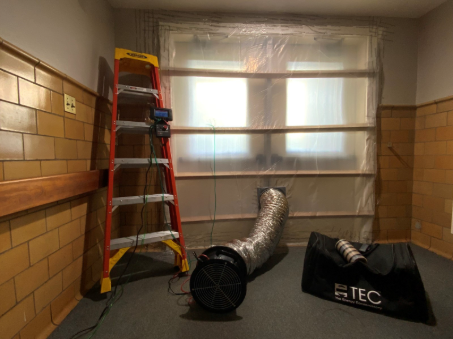
Energy efficient windows are installed at the S.A. Robinson apartments in Pembroke, VA.
At an August 2023 celebration marking the project’s completion, residents shared how the upgrades improved comfort, reduced monthly expenses, and helped them manage energy burdens more effectively.
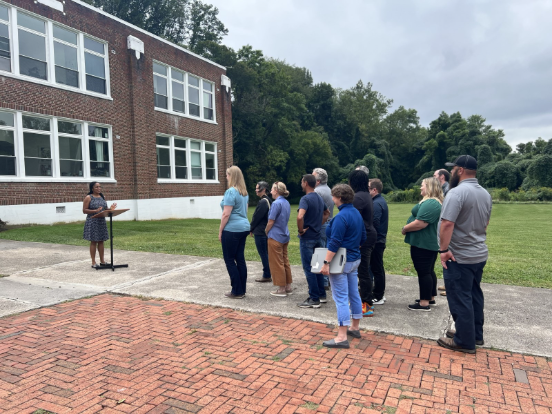
Adaora Ifebigh, Sol Systems' Senior Director for Community Impact, speaks at a celebration marking the project’s completion.
CHP’s experience reinforced that successful clean energy projects require more than technical solutions or financing. They depend on organizations willing to listen, adapt, and design programs around residents’ lived experiences.
Workforce Constraints Remain a Major Barrier to Scaling Energy Efficiency Programs
In North and South Carolina, our collaboration with Sustainability Institute, Santee Electric Cooperative, Roanoke Electric Cooperative, and Aiken Electric Cooperative focused on pre-weatherization home improvements and critical health and safety upgrades. Across three years of partner feedback, one challenge consistently emerged: workforce and contractor shortages.
Partners shared that there are not enough trained energy auditors and qualified contractors to meet growing demand for weatherization and energy-efficiency services. Licensing requirements, post-pandemic workforce shortages, and limited training pipelines have all made it harder to scale programs quickly.
To address these challenges, partners explored ways to share resources across neighboring cooperatives, collaborate with mission-aligned organizations, and expand recruitment beyond their immediate service territories.
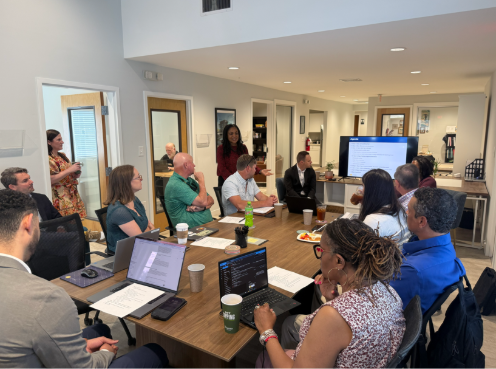
Community partners participate in a discussion on workforce challenges and lessons learned from local energy efficiency initiatives in Charleston, SC.
The broader lesson is clear: equitable clean energy progress requires investment not only in infrastructure, but also in people, workforce development, and long-term community capacity.
Turning Lessons into Action
Across these partnerships, one theme stands out: community-centered clean energy work is strongest when it begins with listening, continues through honest feedback, and adapts based on what partners and residents experience on the ground. CHP’s work in Virginia underscored the importance of designing around lived experience, while partners in the Carolinas highlighted workforce constraints that can limit the reach of energy-efficiency programs. Sol will continue using these lessons to strengthen its Infrastructure + Impact® approach, deepen collaboration with community partners, and support investments that build clean energy infrastructure and local capacity together.
Interested in More Insights from Sol’s Impact Work?
This post builds on the ideas introduced in the first installment of our Conversations to Impact series, where we explored how listening to communities shapes stronger partnerships and more meaningful investments. If you missed it, we invite you to start there: