


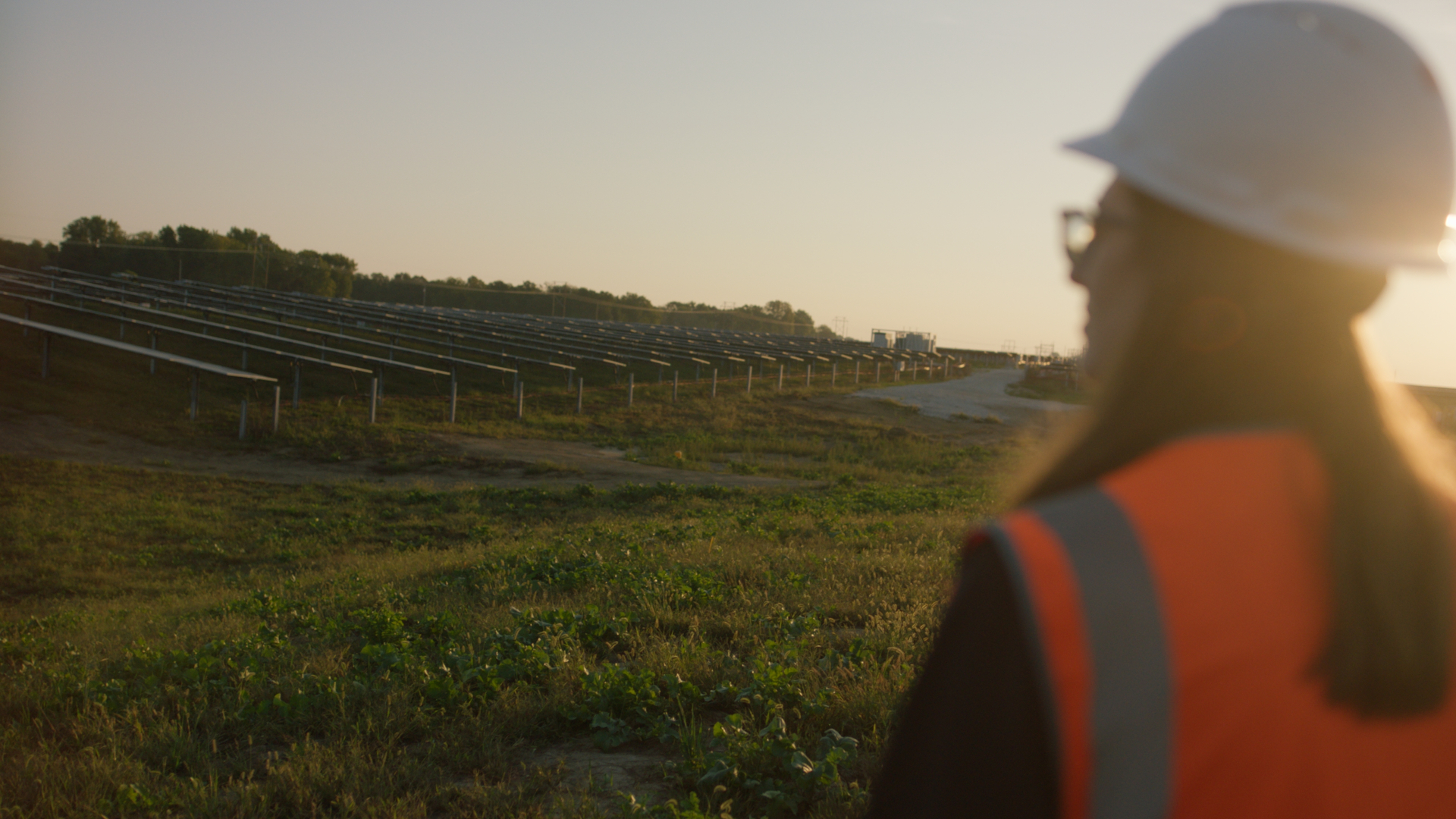
Juliana Isaac is Director of Sustainability and Ecosystem Impact at Sol Systems, advancing clean energy projects that deliver environmental and community benefits. She integrates practices like pollinator habitats, agrivoltaics, and recycling into solar development. Previously, she worked in performance engineering, optimizing solar operations. She holds a B.Eng from McGill University and is pursuing an MBA at Georgetown.
For those newer to the concept, how do you define agrivoltaics in practice?
Agrivoltaics is about designing solar projects that enhance the agricultural character of the land. In practice, that means emphasizing dual uses of solar land, whether that’s grazing, co-locating solar with agriculture, or crop production, so the land continues to be productive. It’s a site-specific approach that balances energy generation with long-term land stewardship.
How are agrivoltaics opportunities developed?
We start by evaluating the land around us - understanding what was farmed before, what the agricultural and food landscape looks like in the region, what is meaningful and impactful to the community and landowners, and more. We look at how best to preserve soil health, maintain flexibility for future use, and ensure the land remains productive - all while producing solar energy. Our goal is to design projects that align with those priorities, not override them.
How are partnerships with local organizations shaping innovation in agrivoltaics?
Partnerships are essential. Universities help us test and validate what works in different environments, while local organizations bring critical knowledge about the land and community. Our partnership at Eldorado was born out of what we learned with academic and research partners - and now, we’re growing crops and teaching high school students about agricultural business. Together, these collaborations turn agrivoltaics from a concept into a continuously improving practice grounded in data and real-world experience.
How do you think the industry will continue to scale agrivoltaics over the next 5-10 years?
Scaling agrivoltaics will depend on proving both its economic and environmental value. That means better data, clearer policy frameworks, and continued collaboration between developers, farmers, and researchers. As more projects demonstrate success, agrivoltaics can become a standard approach. At Sol Systems, our goal is to include agrivoltaics on every project we build.
How is Sol Systems’ approach to agrivoltaics unique?
At Sol Systems, agrivoltaics is part of a broader commitment to responsible development and long-term community partnership. We prioritize meaningful long-term land stewardship and community impact alongside clean energy deployment. That means investing in relationships, tailoring solutions to each site and local partners, and ensuring projects deliver real benefits to the communities where they’re built.