


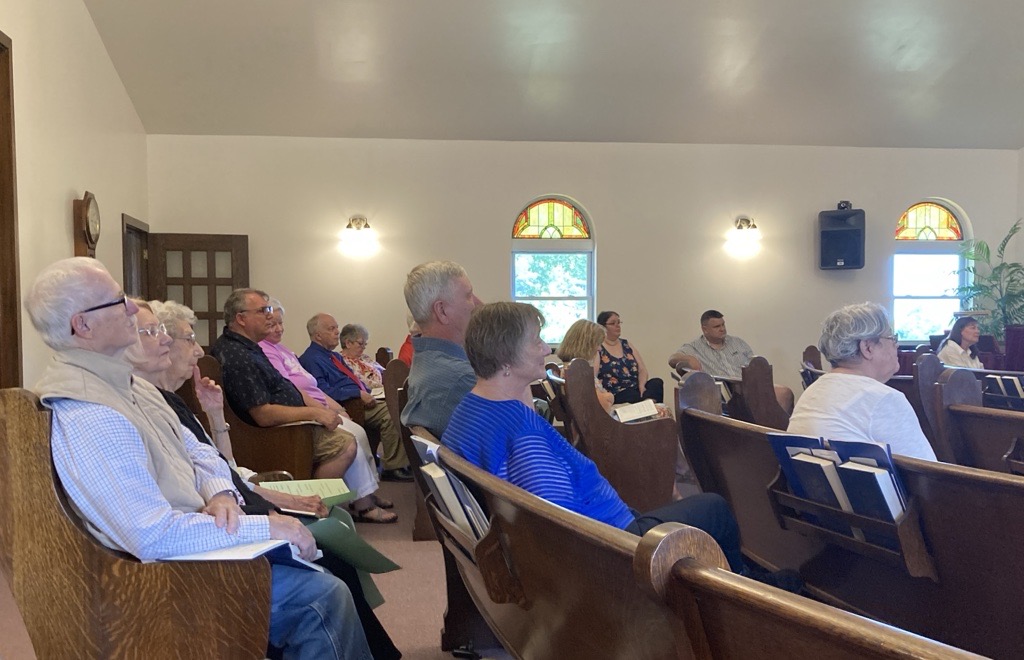
When Sol Systems launched its Community Impact Program in Morgan County, Illinois, home of our Prairie Creek solar project, we started with a simple question: How can we ensure the benefits of clean energy extend beyond the project itself?
Our partnership with Faith in Place offered an important answer: community impact works best when you listen to what communities actually need and tailor resources to those priorities.
Meeting Communities Where They Are
Through Faith in Place’s Green Team Model, we partnered with houses of worship across Morgan County to explore practical ways to reduce energy use and operating costs.
The program offered up to ten congregations:
- Free Level 2 energy audits
- A personalized review of audit findings
- A $500 mini grant to begin implementing recommended improvements
- Guidance on future energy efficiency and clean energy opportunities
But the most important part of the program happened before any recommendations were made: listening to what mattered most to each congregation.
Faith in Place found that while environmental stewardship resonated with some churches, it was not the primary motivator for many rural congregations. What resonated more was the opportunity to save money, improve aging facilities, and preserve resources for ministry and community service.
That insight shaped how the program was communicated and how its benefits were framed—not around what we assumed communities should care about, but around what they told us they needed.
Turning Priorities Into Practical Support
Once congregations engaged, the audits identified significant opportunities. If all recommended improvements were implemented, the ten participating houses of worship could collectively save more than $55,000 annually, along with nearly 89,000 therms of natural gas and more than 157,000 kilowatt-hours of electricity.
For many churches, the audits also surfaced simple, low- or no-cost changes they could make immediately, from adjusting thermostat settings to improving lighting practices.
The $500 mini grants gave congregations a starting point for turning those recommendations into action. At Lynnville Christian Church, for example, grant funding supported energy-efficient LED lighting for a new youth wing being built with volunteers and another local congregation.
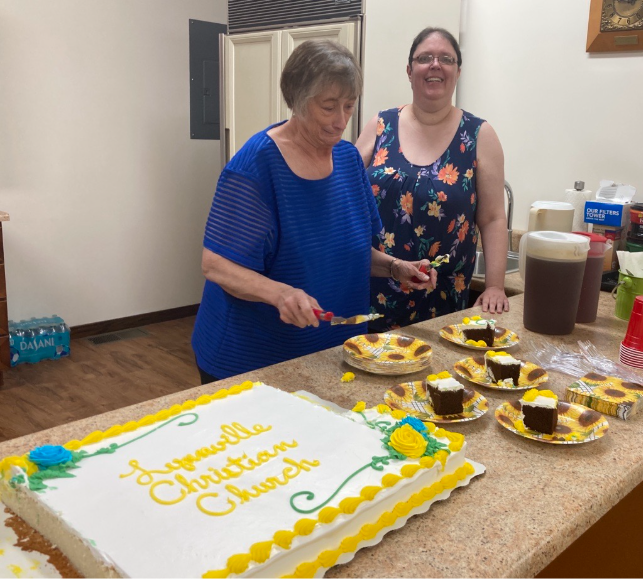
The project was modest, but its impact extended beyond the immediate energy savings. Church leaders saw the improvements as part of a broader effort to strengthen their facilities, reduce operating costs, and create a foundation for future clean energy investments.
Listening Also Means Being Patient
The partnership reinforced that listening is not a one-time exercise. Congregations had different levels of capacity and different timelines for engagement. Some were ready to participate immediately; others needed more time, particularly during busy seasons like Advent and Christmas when many rural pastors balance ministry with other full-time work.
Faith in Place adapted its community outreach accordingly, recognizing that meaningful community engagement happens on community timelines, not program timelines.
The experience also revealed where additional support was needed. For roughly half of participating congregations, limited funding remained the biggest barrier to implementing larger efficiency improvements. The lesson was clear: technical assistance is most effective when communities also have the resources and flexibility to act on it.
From Listening to Lasting Impact
The Faith in Place partnership showed us that meaningful community impact isn't about delivering a predetermined solution. It's about building relationships, listening closely, and adapting support to reflect what communities actually value and need.
For these congregations, that meant connecting energy efficiency and clean energy to priorities they already cared about: saving money, strengthening their facilities, and creating more capacity to serve their communities.
That is the kind of impact we want our Community Impact Program to create, not simply providing resources to communities, but working alongside local partners to make sure those resources are relevant, practical, and shaped by the people they are intended to serve.
Interested in More Insights from Sol Systems’ work?
This story is part of Sol Systems’ From Conversations to Impact series, highlighting the lessons, relationships, and community partnerships shaping our approach to long-term impact. If you missed the prior editions, read Part 1 and Part 2 to see how listening to communities continues to guide our work.