


By Anna Toenjes, Associate VP of Impact & Business Development, Sol Systems
When we think about what it will take to truly transform our energy system, we can’t just picture
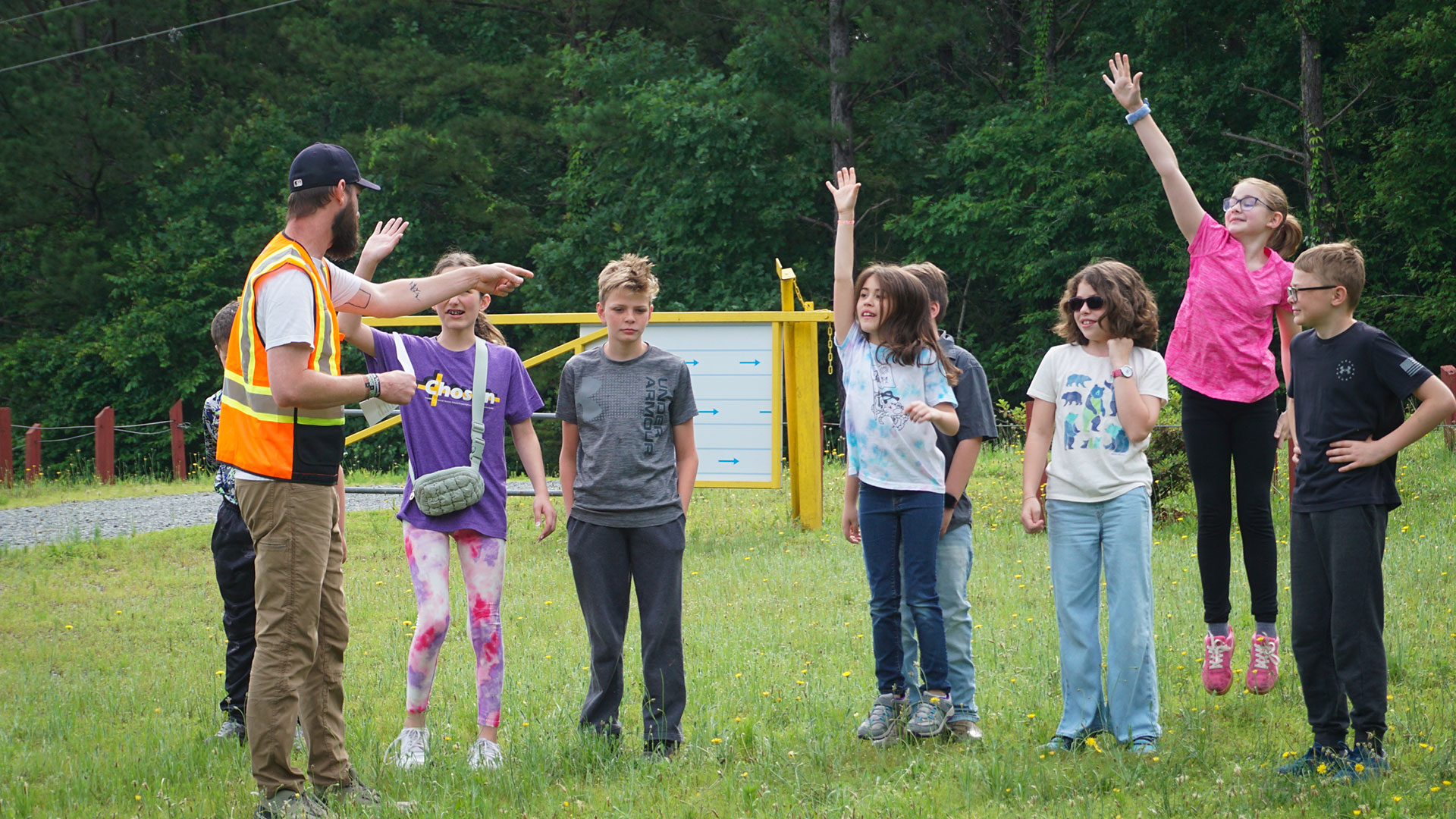
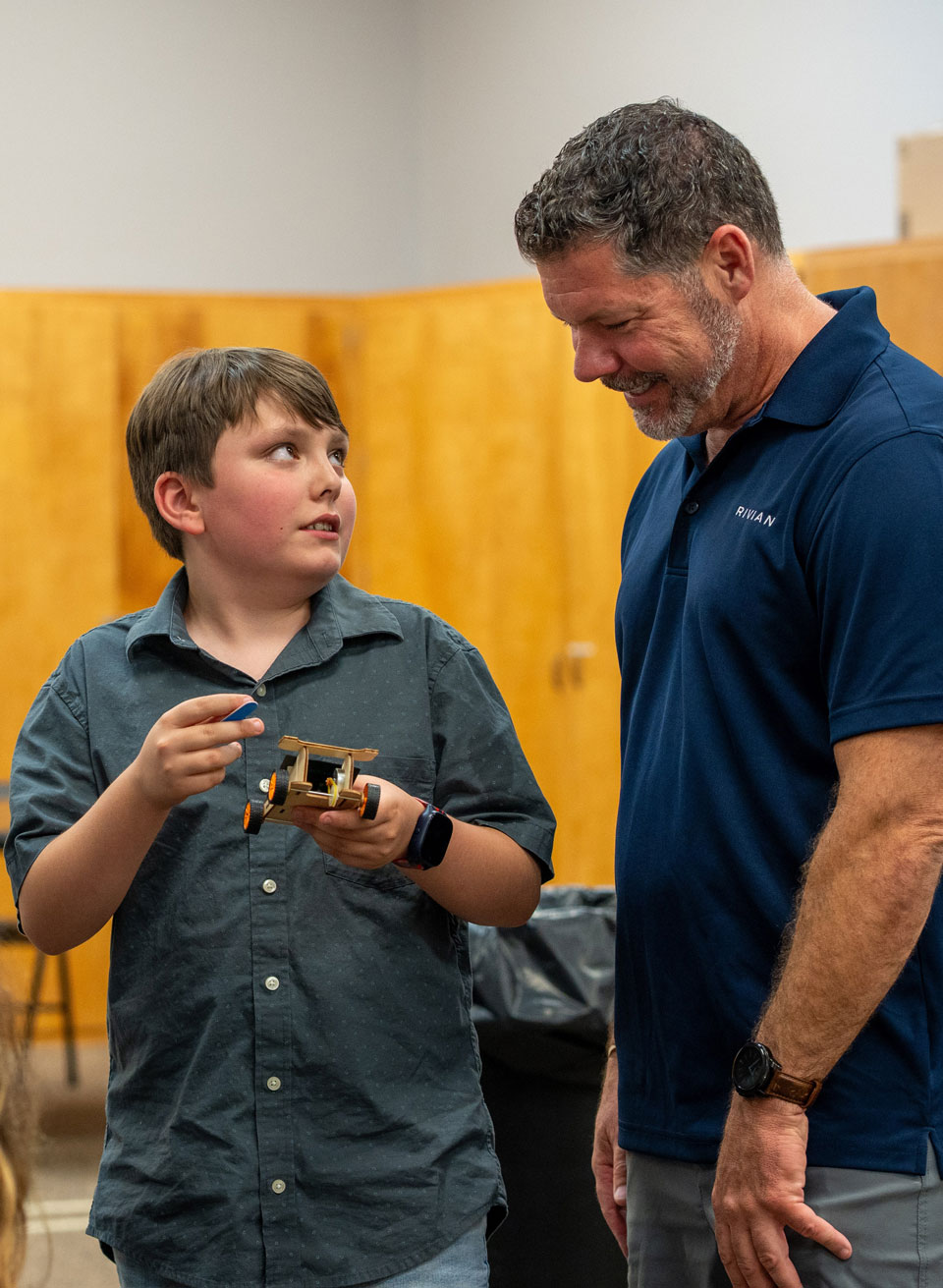
solar panels and transmission lines. It’s sixth graders racing tiny solar cars in a school gym, a
robotics club meeting after hours in a rural county where opportunities sometimes feel far away,
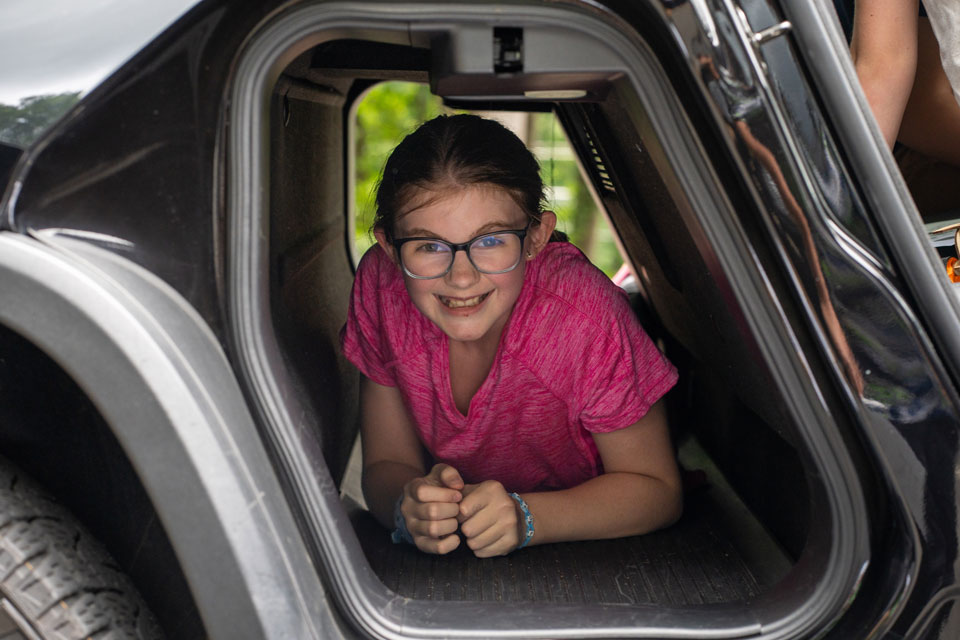
and kids crawling through an electric truck’s gear tunnel, asking a million questions.
Our recent community impact webinar, From Learning to Leadership: Building America’s Clean
Energy Future Through STEM Education showcased that mix of curiosity, access, and hands-on
learning when two incredible 4-H leaders: Aaron Dufelmeier in Morgan County, Illinois, and
Taylor Hartman from Stokes County, North Carolina joined members of the Sol team to explore
how early exposure to STEM education can prepare a new generation for leadership in the
energy industry. Together, we unpacked how large-scale clean energy projects can seed local
STEM opportunities and build the workforce our future grid will depend on.
Infrastructure + ImpactTM , by Design
At Sol Systems, we talk a lot about “Infrastructure + Impact.” As Adaora Ifebigh, Senior Director
of Community Impact at Sol Systems shared during the webinar, it really is as simple – and as
ambitious – as it sounds. “If we’re going to build the clean energy infrastructure this country
needs, we must also ensure that host communities share in the benefits.”
Energy, historically, has been extractive. Power – literally and economically – has often been
taken from one place to serve another. Our mission at Sol is to help rewrite that story.
For us, that means asking:
- Who is hired to build and maintain these projects?
- How are we being good stewards of the land while our projects are there?
- What future pathways are we creating for young people who grow up alongside this infrastructure?
That’s where STEM education – and our partners – come in.
Inspiring the Next Generation of Clean Energy Workers
Clean energy development, installation, management, and innovation needs a workforce, from
technicians and engineers to project managers, agrivoltaics specialists, and educators. We don’t
have to – and we shouldn’t – wait until post-secondary education to start that conversation with
today’s students. That’s why Sol Systems seeks out trusted community partners who already
have deep roots in communities where our projects are located. In this case, that’s 4-H.
Taylor, who grew up in North Carolina 4-H and now leads 4-H in Stokes County, admitted she
wasn’t originally a “STEM person.” But she saw the demand from local kids and the lack of
resources in schools for robotics programs.
Through our work with Erik Nielsen and his team at Rivian, her team launched:
- A solar-and-robotics summer camp that included a visit to a local solar site, hands-onsolar car builds, and an EV vehicle demo.
- A new 4-H robotics club that now meets monthly, using kits purchased with the grant.
In Illinois, Aaron and his team leveraged our partnership to revive and scale a Junior Solar
Sprint curriculum statewide.
With Sol-funded materials, they:
- Trained 4-H youth development staff to deliver solar curriculum.
- Worked with a local middle school where 24 eighth graders spent nine sessions learning how photovoltaics work, designing and building solar cars, and racing them in front of the entire school.
After the program, half of the students expressed interest in careers in solar or engineering, and
75% said they now see the importance of clean energy for electricity generation. That’s not just
abstract “awareness.” That’s kids starting to picture themselves in this transition.
The Speed of Trust
None of this happens overnight. Aaron joked that patience has been key; conversations with the
Sol team started a few years ago. Taylor admitted that when a DC-based solar company (Sol)
first emailed “little Stokes County,” her first reaction was, "Why us?
What changed things for Taylor was trust:
- Understanding Sol Systems’ ethos with 18 years of experience
- Seeing concrete examples from other communities, like Morgan County, IL which started Seeing concrete examples from other communities, like Morgan County, IL which started
- Being invited to co-design the programs based on what their youth needed most
As Adaora likes to say, “You can only proceed at the speed of trust.” We bring ideas and
resources, but local partners know their communities best. Our most successful programs are
the ones where we listen first and adjust our plans accordingly.
One theme that resonated with both Taylor and Aaron was the call to get comfortable being
uncomfortable. Taylor embraced STEM programming she wasn’t originally versed in, growing
and learning together with her students. Aaron encouraged other nonprofits not just to ask
“Why?” but “Why not?” when new partnership opportunities appear.
Ultimately, that’s the heart of this work. Sol is asking communities, companies, and kids to
imagine a different kind of energy system: one that is cleaner, fairer, and more deeply rooted in
local opportunity. If this is what “learning to leadership” looks like after just a year or two of
collaboration, we can’t wait to see what these communities build next.