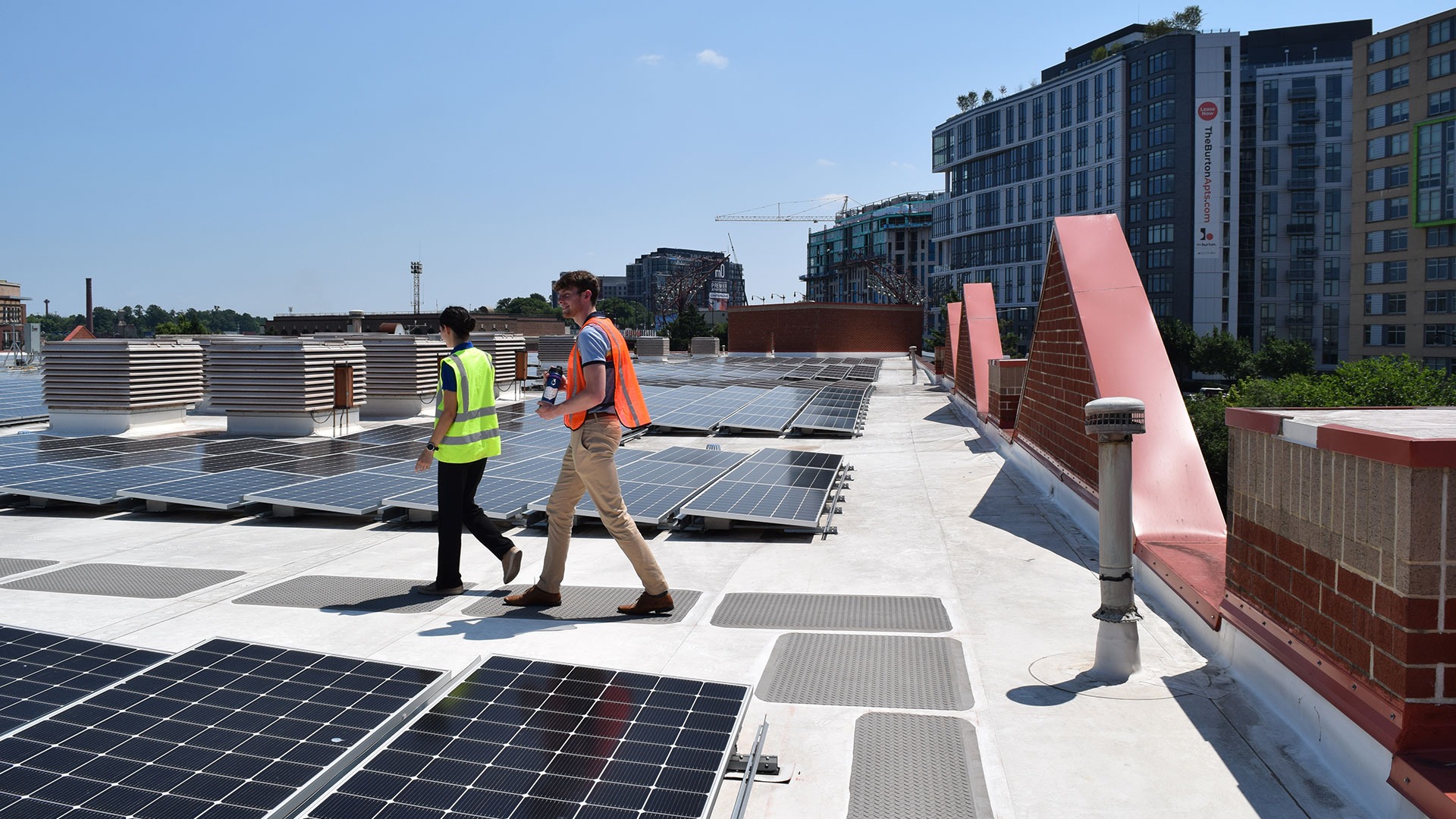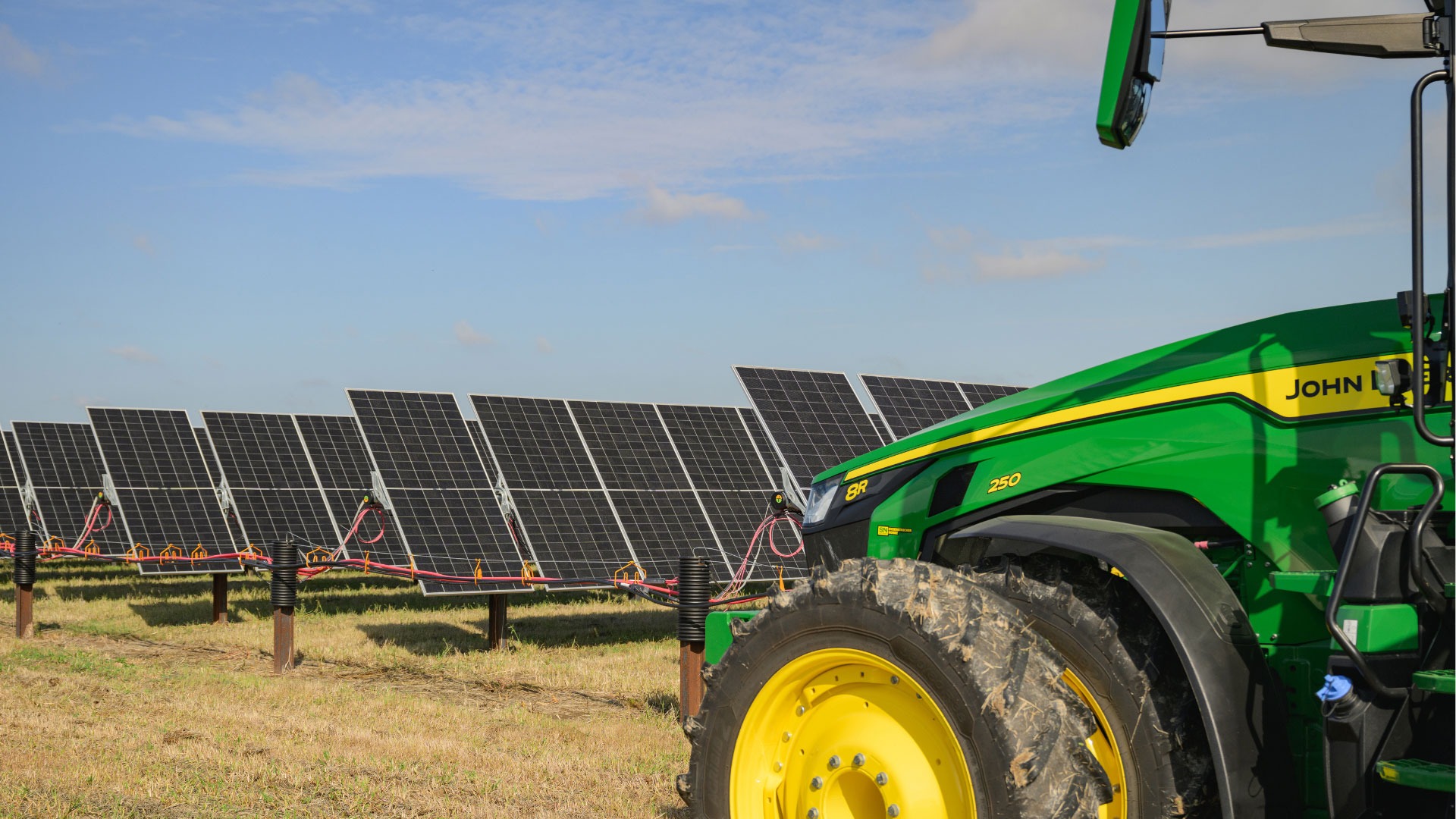
Our governing philosophy toward community impact: Over the past five years, Sol has significantly increased our community investment funding and expanded our network of community partners to more than 30 organizations working to advance community resilience across the country. As our work expands, we continue to be guided by the belief that working with and in partnership with communities where our projects are located relies heavily on the acknowledgement that our partners understand their local context and that to create sustainable opportunities that serve communities for the long term requires listening, learning and adapting insights from communities themselves.
How we Approach the Work

Founded in 2008, Sol Systems (Sol) leverages its platform as a national leader in renewable energy to work together with its customers and partners to accelerate America’s clean energy future and invest in local communities
To deliver on this mission, Sol has created a unique Infrastructure + Impact approach. This approach ensures that when we and our partners execute projects and transactions, we commit funding to local community organizations that lead initiatives to enhance community impact and restore the land and natural habitats around our projects.
These integrated programs are designed to benefit under-resourced communities and those disproportionately affected by environmental pollution, while also incorporating best practices to minimize our ecological footprint during construction.
Sol’s impact approach focuses on engaging with and investing in trusted partner organizations embedded in their communities. This engagement strengthens the community’s ability to benefit from a more inclusive energy infrastructure.
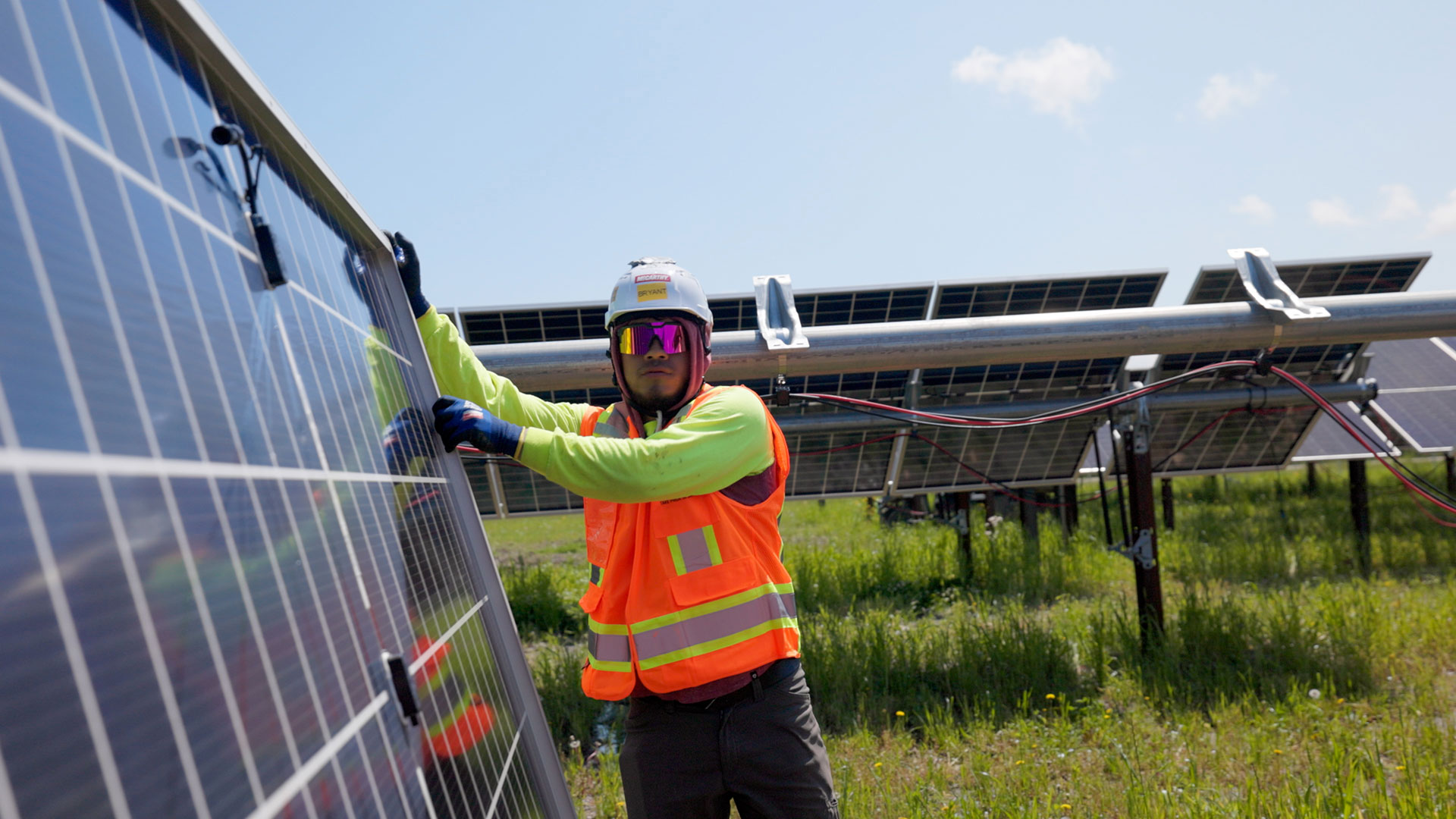
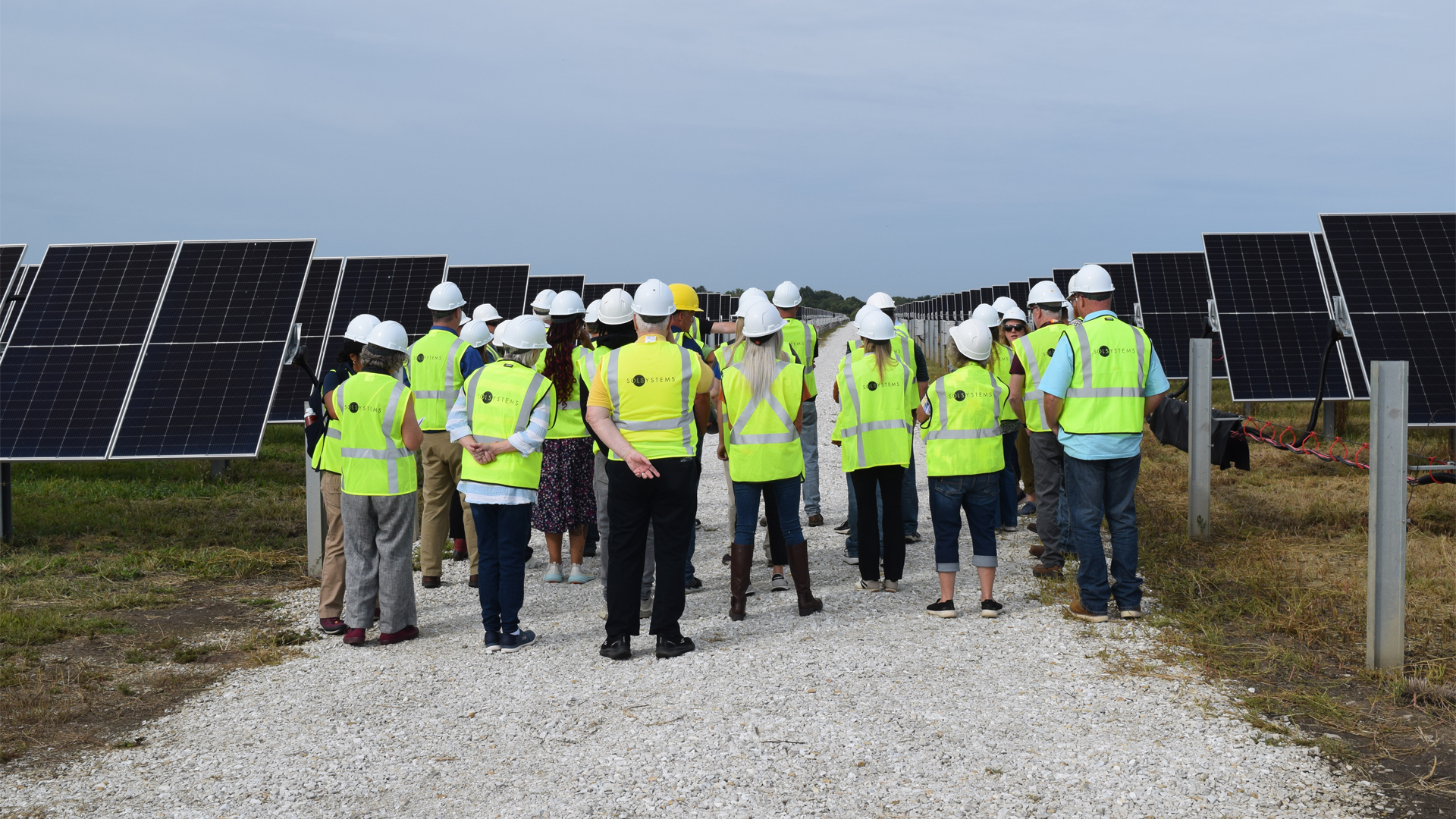
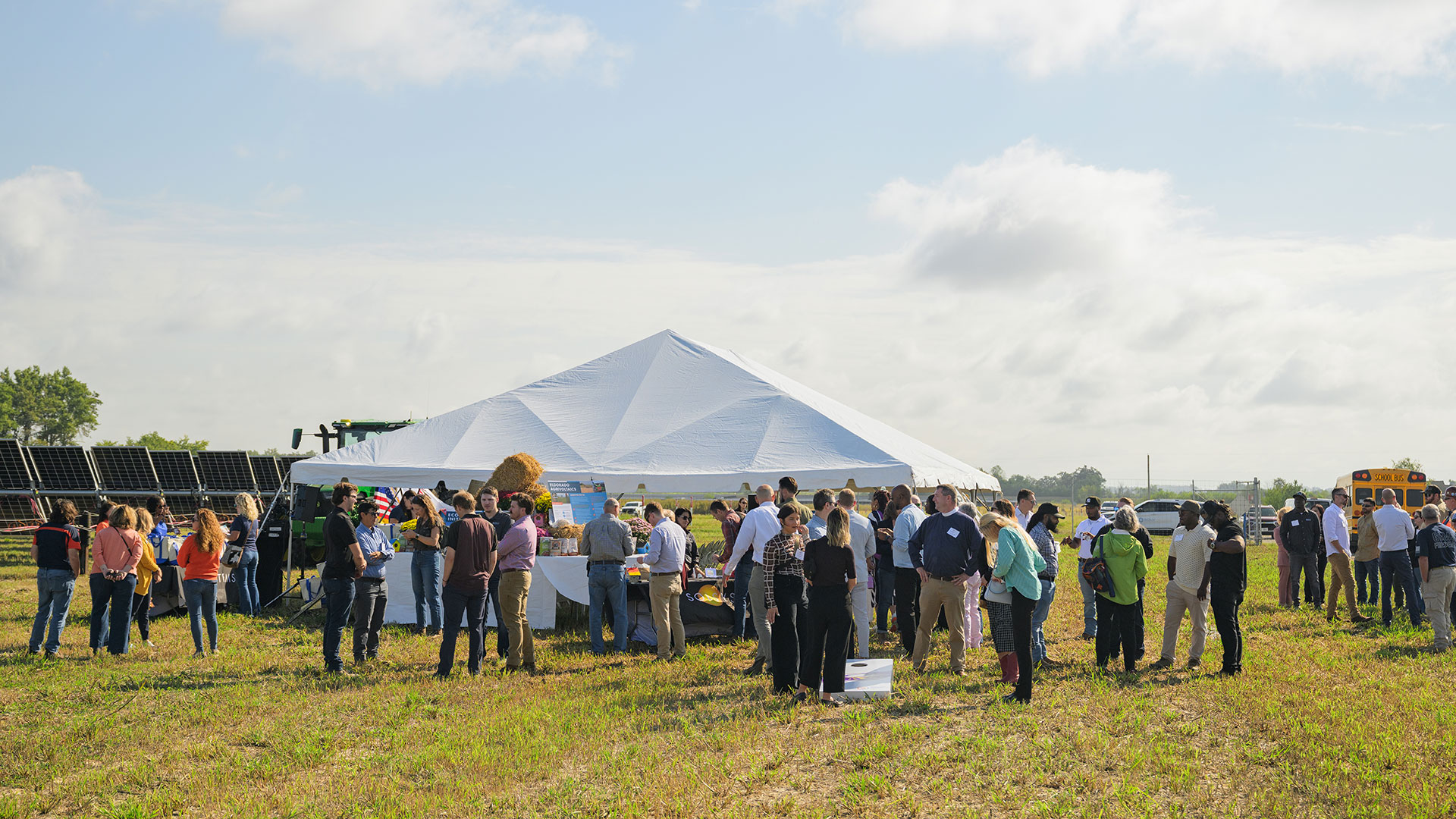
Since 2020, Sol has partnered with grassroots community organizations to implement impact initiatives in regions surrounding our solar projects. Through dedicated community investment funds, we’ve supported organizations across the Eastern Seaboard and the Midwest—including in Pennsylvania, Maryland, Virginia, Washington D.C., Massachusetts, Nebraska, Maine, New York, Illinois, Georgia, North Carolina, and South Carolina. These investments have enabled local partners to deliver energy efficiency and home repair programs, establish solar-plus-storage community resilience hubs, provide job training and education, and offer wraparound support services.
Through this effort, Sol gained valuable insights and lessons that will guide our future work and deepen our impact. We believe that sharing these learnings is essential to advancing community-centered practices across the energy industry. By doing so, we aim to foster industry-wide learning, strengthen collaboration with our partners, and continue driving progress toward a more impactful and sustainable energy future for all
Insights from the Community: Grassroots Perspectives on Workforce Development

Our approach to community investments developed as we learned from our community partners and adapted our approach to suit their needs. Through periodic conversations and an established program reporting process, we gained several programmatic insights that will help us adapt as we move forward with our community impact programs. Our workforce development partners highlighted challenges in retaining trainees, both before and after graduation. To be successful, trainees require wraparound support services that increase workplace inclusion, reduce financial and logistical obstacles, and increase trainees’ ability to adapt to new job environments..
Our partnership with GRID Alternatives Mid-Atlantic and PowerCorps PHL demonstrated that robust support services not only enhance recruitment but are also crucial for boosting graduation rates and job retention.
- Life-management and workplace counseling: GRID Alternatives provides counseling services and life-management training so trainees can discuss everyday challenges and receive tools to manage workplace expectations and the activities of daily living, including shopping for groceries and keeping up with doctors’ appointments. This support, in addition to the primary classroom curriculum, helps trainees better navigate external life factors that can be obstacles to following through on workplace commitments.
- Financial management training: The ability to manage finances, including the stipends provided through the training program, also can indicate whether a person will complete the training program. GRID helps trainees—many of whom have never opened a bank account before— navigate the direct deposit process
- Transportation support: Transportation can impact a trainee’s ability to finish a workforce development program. To address this, PowerCorps PHL offered transportation services to their trainees. This included helping trainees obtain a driver’s license and providing funds to ride public transportation or pay for parking
Wraparound support is crucial to guaranteeing that participants finish a program and retain jobs or internships successfully. For organizations like GRID and PowerCorps PHL, the ability to offer wraparound support services to their trainees helped them improve recruiting, retention, and was a fundamental factor in graduation rates
Carrying the Work Forward: Applying Lessons to Future Partnerships

Research over the past two decades has shown the effectiveness of wraparound support across many domains. Specifically, as it relates to some of our community partnerships, this support is effective across a range of important youth outcomes such as educational achievement and self-sufficiency. Informed by the lessons learned through our grassroot partnerships, Sol has made providing wraparound support a key pillar of our community investment strategy that focuses on community resilience. We aim to support grassroots organizations by funding wraparound programs that are key to successful implementation of their core program activities.
Sol is committed to building and strengthening partnerships with community organizations so that our clean energy initiatives remain community-focused and meet our land stewardship and energy supply goals. We look forward to sharing new lessons learned as our work progresses.